Tuesday, 10 March 2020

we are now playing picture pong

(Dero influence caused the failure of the previous image. A new image has been provided. SAVOR YOUR BRIEF REPRIEVE.)

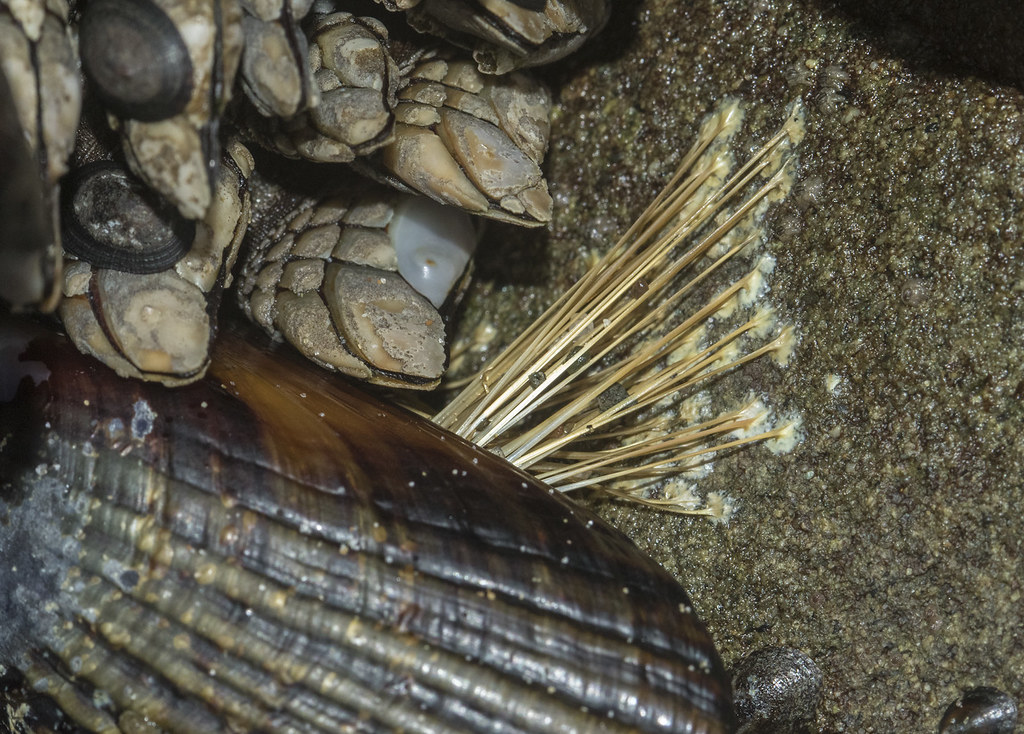
Here is an image.

But: what is it? What could this thing be?

That is for YOU to discover.

You are tasked with defining the nature of the entity or object depicted within this photograph. You are to write a BLOG POST about it. You will then produce another cryptic image for somebody else to write a blog post about.

And we will all have fun.

If you do this we will all become wise geniuses like Scrap Princess and Patrick Stuart. I had a dream the other night that Scrap Princess was mean to me in a Google Plus post. That can never be allowed to happen. By playing my game of picture pong you will banish my subconscious demons.

But if you do not do this we will all be dead of oil price shocks and the coronavirus. ALL IS AT STAKE.

Begin!

(Also please tell me in the comments if this image also does not work for some insane fucking reason. I'm furious about this, the last one was good and now you will never see it.)

Sunday, 8 March 2020

d20 more magical precipitations

taking after this

  1. Rain of Kittens. You would think this would lead to smushed meat everywhere, but luckily they always land on their feet. Minority of suspicious people flatly refuse to believe this can possibly be as benevolent as it is and start killing the kittens, leading to widespread outrage and bitter division of communities into pro/anti-kitten factions.
  2. Rain of Diamonds. Very small, sharp hail that scuffs every hard surface beyond repair and basically flays you alive if you're unlucky enough to be caught in it. Beautiful, though. In the weeks to come, every jeweller will go bankrupt.
  3. Rain of Larceny. Tinted black. Picks the pockets of anyone caught in it. Lifts small items from any building it gets into. Hoards its treasures wherever the water goes to ground - so after it passes, cisterns and streambeds will be full of valuable trinkets.
  4. Rain of Orientalism. Tinted yellow. Makes everything it touches temporarily "more Chinese". Widely condemned as problematic by liberals and scholars. In settings that are already highly Chinese it instead makes everything more like an anime idea of medieval Europe.
  5.  Rain of Revolution. Tinted red. Destroys capital. Acts as acid on any complicated machine which is being used to replace a worker. Erodes the walls around gated communities. Melts banks. Stings the skin of the rich.
  6. Rain of Olive Oil. Makes everything intensely slippery. Nobody can move on hard surfaces faster than a crawl. Every cook puts a jar out. Will fry on metal roofs when the sun comes.
  7. Skinflake Snow. Powdered dandruff and thumbnail-sized pieces of dead dry skin heaping in snowdrifts and whirling on the wind. Harmless but disgusting. Too loose to build a snowman out of, which won't stop kids trying. Look forward in the coming days to plague of mites.
  8. Rain of Pages. Torn from random secondhand books. Most are just cheap genre paperbacks or self-help stuff but some contain forbidden secrets. Blow everywhere. Unfortunately flammable.
  9. Brainrain. Tinted blue. Makes everyone super smart.
  10. Braindrainrain. Tinted a slightly different shade of blue. Makes everyone super dumb, but they think they're super smart.
  11. Painrain. Tinted green. Magnifies all pain suffered by a factor of ten. Do not stub your toe. Definitely do not break your leg or like, actually be tortured.
  12. Rain of Grain. Great for everyone except wheat farmers, who won't starve but will go bankrupt. Hoarded in silos, can supply food for years and permanently change the socioeconomic landscape.
  13. Architect Snow. Little flakes of abstract building material that take on the style of any building they hit, encrusting roofs with irregular cupolas and piling new wings up against the sides of houses.
  14. Rain of Dye. Stains everything in bright rainbow colours that won't come out for weeks.
  15. Rain of Eyeballs. Bounce instead of splattering. Roll around looking at anything that moves. Unclear who or what might be seeing through them.
  16. Rain of Perfume. Cloyingly sweet aroma is unbearable at first, pleasant and refreshing after it's had a chance to fade.
  17. Rain of Wine. Delicious and sticky. Massive citywide drunken revel inevitably leads to shenanigans. Really fucks with a lot of recovering alcoholics.
  18. Rain of Foam. Non-toxic. Makes the whole town look like it's taken a nice shiny bubble bath. Generally also leads to street parties.
  19. Royal Blizzard. Heralds the coming of the snow queen. Iceflakes form into a massive ethereal glittering frost palace just outside town that will melt with the return of the sun. Ice dragons and yetis and frost skeletons and sapphires to steal. Get in there and have a fun adventure before it's too late!!
  20. Rain of Tigers. Also land on their feet, but now it's bad.

Sunday, 23 February 2020

Peninsula of Peril

Moved to the Quimper Peninsula, in Washington State, a few months go. Here are some of the local sights.
  1. Lawn forested in statues of the bigfoot. Bigfoot smiling, fishing, smoking reefer and cuddling a raccoon. Most are sold already, the owner swears, though nobody comes to pick them up. Oh well, there're always more to carve
  2. Drive-in cinema cloaked in pines. Shadows hang long across neat rows of cars. Half the speakers are missing, the sound system broken into ghostly chirps of horror anthologies played in decades past. When you get up to pee the woods are abrasively silent, looming with shadows cast from the black and white screen
  3. Crab shack too close to the highway. Fisherwoman talks loud over the droning traffic. Things used to be different, she says, before the roads and summer homes, when you could hear volcanoes groan below the earth and the water teemed with bony-headed fish
  4. Down by the docks the rust-cheeked boats are pulled up for repairs. In the water toppled trees bob like icebergs, jellyfish. Shipwrights huddle and stare, wrapped tight against the cold, whispering superstition
  5. Summer camp on the cliff edge ringed by fake grass. Real green won't grow over their salt circle. They're open about their faith, about the crosses carved inside the doors. Teasingly vague whether they're keeping something out, or in
  6. 'JESUS is LORD' says the sign, blue on white. 'GOD is DEAD' says the graffiti. The look in the pastor's eye suggests they're both right
  7. Suburban culs-de-sac tighten upon themselves like knotted intestines. The houses bunch up two or three to a yard, trap the light and cast it back at 50Hz. Bristle-backed cats and dogs stalk pairs of people through the night
  8. Cars sink into the wet ground. 'For Sale' signs with the prices faded out of sight. Mildew and moss blur the propane tank to a rhinoceral burl. Banner in the blacked-out window offers gifts and games to children
  9. Smell of the paper mill rolls across you, thick vegetable wind trailing fog. Mean-spirited kids taunt of things hidden in the smell, hunting cowards and tattle-tales
  10. Cardboard cutout by the fuel pumps advertises deep-fried drumsticks. Hiding behind the shelves inside, attendant wears a dirty chicken suit and carries a bat
  11. Dead silence in the tunnel beneath the road. Semi-trailer rumble echoes down the pipe but you'd swear there was nothing above you but a hundred miles of rock
  12. Second-hand variety store, in endless rows of sporting, shooting, fishing gear; pickling, poisoning, pruning kits; homewares and hardware, jet-skis and tvs. Out back 
  13. Swollen hogs in ramshackle bungalows, lording the wallow over a few ducks, two goats and a horse. The beasts are well fed, the farmhouse looks abandoned
  14. Locked gates and a welcoming sign. Authority in the Owners Association obtained through cultish meddling; surveillance, sabotage and the kidnapping of pets. Access is achieved with bribery or trickery, but beware; trespassers will be prosecuted
  15. Woodpecker watches you, half-hidden behind the tree. Whenever you move it pecks out a rhythm, encoding your intrusion in holes in the bark
  16. Potholes guard each end of the bridge, a hulking truck gates your tail. The waters, a flashing mirror, reflect headbeams and the night-eyes of deer, white wood graves for those taken by the current  
  17. Casino in solid cubes of light. World blacked out by the glare. Roads billow into overpass around it; whenever the heads burst from the earth, a shining subsoil of auto lots and liquor stores lies exposed
  18. Strip mall wallpapered across the hills, memetic maze of repetition. Towering billboards declare indecipherable names and sigils. It rations to those that take its turn-offs and rakes at the tails of travellers-through
  19. Mountainside stream, steaming with sulphur. Hazy baths barred by sign and toll, doors and the jaws of beasts. Bubbling, muttering wisdoms of the deep water
  20. Cedar's thick outer skin splits like ripe melon. Long-fingered form inside stretches out a yawn

Thursday, 23 January 2020

400 thousand rubber ducks

shipping container full of:
  1. rubber ducks
  2. ceramic owls
  3. cardboard flags
  4. fancy santas
  5. faulty vacuums
  6. rechargeable batteries
  7. art deco lamps
  8. mouldy twinkies
  9. bugged telephones
  10. easter themed fondue sets
  11. musical plaques
  12. child-friendly steak knives
  13. edible houseplants
  14. animatronic action figures
  15. star war lunchboxes
  16. bootleg dvds
  17. roboticized shaving kits
  18. lockable money boxes
  19. deconstructed speakers
  20. pink vibrators
or 2d20, descriptor and detritus

  1. Rusty, with a broken O2 cycler. Captain is a drunk
  2. Fresh-painted, with a custom stardome. Captain is a nudist
  3. In neon, with a laser projector array. Captain is a gamer
  4. Leaky, with duct tape repairs. Captain is a child
  5. Stolen, with bullet holes in the hull. Captain is a paranoiac
  6. Badly-driven, with a smoking engine. Captain is an insomniac
  7. Chromed, with dekotora accessories. Captain is a hoarder
  8. Latexed, with a promiscuously-shaped chassis. Captain is a pervert
  9. Precisely maintained, with a jury-rigged cannon. Captain is drug dealer
  10. Graffitied, with a studio and darkroom. Captain is an artist
  11. Stuccoed, with a pizza oven and greenhouse. Captain is a gourmand
  12. On fire, with an over-stocked hold. Captain is a compulsive liar
  13. Factory-fresh, with too many antennae. Captain is a cop
  14. Overgrown, with a hazy atmosphere. Captain is an eco-terrorist
  15. Broadcasting nu-metal, with blacked out viewports. Captain is a goth
  16. Plastered with adverts, with a vending machine collection. Captain is a retro enthusiast
  17. Speeding, with incendiary bumper stickers. Captain is a racist
  18. Oversized, with flame decals. Captain is a gentle giant
  19. Heavily reconditioned, with a defunct asteroid drill. Captain is a prepper
  20. Art deco, with a bonsai garden. Captain is a robot
or 3d20; aesthetic, accessories, aviator

1d3 crew members per ship c'mon
  1. Adi Parva
  2. Poboy Ranchero
  3. Hardbody Wang
  4. Corona Vocal
  5. Jainie Eightstreet
  6. Doc Broccoli
  7. Seabury Chrust
  8. Litmus Bic
  9. Taco Softshell
  10. Banjo Bumperton
  11. Slazenger Fats
  12. Collegiate Lam
  13. Hijack Lojack
  14. Teacup Zephyrson
  15. Pluck Gocard
  16. Ratrick Goggins
  17. Lu Monsanto
  18. Bok Choi
  19. Benzene Infomatic
  20. Acceptable Tub
2d20 names. If your dice add to 10, 3d20 instead

Monday, 30 December 2019

spell books

Reading through a couple times gives you knowledge (book contents), obviously. None of them is enough to turn you into a sorcerer outright. If you gather a few tomes you can kitbash dark majikks from their combined wisdom. Two books together (referencing specific chapter headings please!) will net you one spell (or knowledge and skills equivalent to a spell). If you can reasonably argue using Book A through Book B to invoke Book C then you can probably do something mildly gamebreaking.

BOOKS:
  1. The Chemistry of Cooking
  2. A Practical Guide to Lens Making
  3. Dream Interpretation for the Modern Woman
  4. The Faerie Almanac
  5. Pig Medicine: 20 Years of Porcine Surgery
  6. Non-Earth Metallurgy (Condensed Edition)
  7. Smoke, Mirrors, Sleight-Of-Hand: Magic Without the Magic
  8. The Secret: Empower Yourself with Positive Thinking
  9. The Illusion of History
  10. Phlogiston, Aether and Leylines: Reconciling the Great Mystics
  11. Memoirs of a Murderess
  12. Handbook for Young Wiccans
  13. Abridged Dictionary of Treespeech
  14. Skincare for the Discerning Gentleman
  15. Introduction to Sacred Geometry
  16. Bigfoot Among Us
  17. 12 Kinds of Darkness
  18. Hagiography of Hell
  19. Wheeling Heavens: 2000 Years of Celestial Observation
  20. The Big Book of Trolls (for kids!)
  21. The Big Big Book of Mazes (for adults!)
  22. Conic Tensors: A New Mathematics
  23. Boxing With God: My Story
  24. Alchemy Unlocked: Lead to Gold in 10 Easy Steps!
  25. Owners Manual for Human and Near-Human Bodies
  26. Hidden Science Magazine, pg. 28-33 (Fall Issue)
  27. Composing for Jazz Piano
  28. Alternative Engines: Thermo-Agnostic Engineering
  29. Seasonal Mycology
  30. The Goblin, Gremlin & Goolie Fieldguide
  31. Materiality Thrice Revised: Aesculpe's Annotations Annotated
  32. Environmental Culture: the Ecological Crisis of Reason
  33. Advanced Sailmaking
  34. Temples of Ur: Architecture of a Lost World
  35. Channelling Desire: Sex Magic and Magical Sex
  36. Astral Projection for Insomniacs
  37. Breathing Exercises for Better Health
  38. Have Your Cake And Eat It: A New Weightloss Paradigm
  39. Crochet for Absolute Beginners
  40. Soil Mechanics and Hydrodynamics
  41. The Genealogy of Almost Everybody
  42. The Complete Plays of Gilliam Quakesphere
  43. Birds of the Western North Coast
  44. Advanced Carpentry
  45. Worm Breeder's Compendium
    1. Testing Standards for Precognition, Psychometry and ESP
    2. Biodynamic Agriculture
    3. Freakonomics
    4. Tao Te Ching
    5. Croatoan

    Goooooooooooooosh I guess if you're running actual fantasy you maybe want:
    1. Meditations on the Natures of Air
    2. The Layman's Autopsy
    3. Stolen Sunbeams: A Charlatan's Reminiscence
    4. Urdakken, Cathedral of Stone
    5. Smokeless Flame
    6. Ooze Anatomy
    7. Horologic Machines
    8. Psychopathology
    9. Building Soils for Better Crops
    10.  ,nbngcgh gtrukilk,

    Sunday, 17 November 2019

    CROATOAN

    One of the things I did last year was write a novel. It's called Croatoan. It took about six months from start to finish, not counting the time I spent planning and thinking about it beforehand, or the bits and pieces of failed older projects that went into it. Here is the marketing blurb I wrote for it -

    "Croatoan is a crime novel about petty thieves, crooked cops, alien abductions, Blackbeard's gold and the secret history of Atlantis - like Elmore Leonard meets Umberto Eco, or Dan Brown by way of the Coen brothers. Set in Washington, DC, and the Outer Banks of North Carolina, it pits a retired burglar against mad preachers, Caribbean drug cartels, Deleuze-quoting hitmen, the CIA, and at least one deranged serial killer in a race to find an all-powerful sunken treasure that may or may not actually exist."

    You can now buy it here, from Lulu, for about four bucks. You can also read the first three chapters on Medium here, so you can decide whether you like it or not. If you like this blog, and if you like slowly descending into a labyrinthine hell of conspiracy and UFO madness, you'll probably like it.

    Also, since I haven't actually mentioned it yet, I'm on Twitter at @circusarmy. You can find me there if you want more of me shilling my book, working out my extremely specific opinions about radical left politics in the Australian state of Queensland and talking about which Pokemon I would like to have sex with.

    Tuesday, 5 November 2019

    Ecologies of Space

    Students of cosmobiology should be aware that there is no exhaustive textbook on the subject. Space spans a dazzling array of extremes: bitter cold of void; fuming chaos of reentry; irradiant calm of an unshielded sun. Threat and boundless opportunity form a darwinian brawl that, plighted by human genetic meddling, holds form too bountiful to count.

    Even the largest long-haul ships would struggle to maintain this diversity in vacuum;
    this sample is from the liquid core of a comet mine in the house of Taurus

    The primary categorisation for a newly discovered lifeform denotes the source of its energy supply.

    The most common 'pest' organisms on spacecraft are chemotrophs, and these complex habitats are where they are most commonly found. They may take their energy from raw chemical sources, like the rainbow varieties of plastic-eating bacteria and shipworm. Others prey on other organisms, be they herbivorous teacup crabs or the voracious glass eel. Not all are considered pests, however. Barnacles are often assumed to be a sign of smooth reentry and good luck. Cheaper than a mechanic is a box of shipwright 'mites, dumped into damage to help patch leaks (though they'll eventually hollow the whole hull into an airy nest). 

    Chemotrophs are characteristically the organisms most complex, most embedded in their ecosystem, and least likely to survive solar flares, dust storms and reentry. Some simply hunker down into ablative, carbonised shells. Others structure their life-cycles to the schedule of their hosts, like the near-indestructible micro-elvers of many eels and the hurriedly-buried eggs of roaches. The most complex webs of life blossom when undisturbed. Long-haul ships build whole ecosystems, many of which beneficially catch and recycle light and nutrients for the use of the ship.

    Phototrophs draw their life from the sun, or other radiant bodies. Some phototrophs may bask in lights on a ridden ship. Some are even grown commercially. Bamboo, potato, spacegrape; sheathed swaddles of roots projecting bizarre appendages into space. Many of those that seem to rely only on the sun in truth would not survive without the thin atmospheres of leaky, ionic spacecraft. 

    The most common phototrophs are cyanobacteria, algae and lichens, with many species that are happy riding asteroids or cosmic dust, or simply spinning alone in space until they bump into a host. A growth of more than a few centimetres height is a strong indicator that the organism requires atmosphere, whether leaked from the ship or drive, caught in gravitic or electric potential wells, or clouding lagrange points. Phototrophs are categorised as such when gathering most of their energy from the sun, even if engaging in some predation on other organisms.

    Other sources, etheric or plainly odd, feed xenotrophs. By far the most common, though rare enough still, are those that plunder magnetic turbulences. Electrochemical 'ferns', cyberglinidae worms and tiny-shelled fluxoyster have populations preserved in parks around some of the major massdrivers through the system, while more exotic breeds unfurl in the umbrella of Jupiter's magnetosphere.

    Many species of xenotroph are wrapped in mystery and mystique. The neutronic 'pearl' of the blackbox clam is claimed to detect ghosts. The 'antenna-eyes' of urban myth (in truth, deepspace cryptographs use not human brains but only optic nerves, from raptors, owls, even mantis shrimp). Caution should be used when registering new lifeforms as xenotrophs. An organism simply not making genetic sense, or being built from a different clade of atoms entirely, does not qualify it as a xenotroph if it is more properly carnivorous, etc.

    Stowaways such as this skipjack mussel are considered
    pests by shipping companies and delicacies by sailors.

    Organisms are secondarily categorised as a function of their environment.

    Cataclysmic waves of heat and pressure wash from the prow of a body entering an atmosphere. Even when the apocalyptic forces of reentry are not enough to kill an organism, exposure to the weight and erosion of a world often finish the job. Despite these ferocious hurdles - and sometimes because of them - some life thrives on the rhythm of reentry. Most species of space barnacle are utterly unperturbed by fire and brimstone, and appreciate the burst of fresh gases gleaned from new air. Many species have adapted to suit very tight niches; the regular schedule of certain inter-moon couriers, the atmosphere-skimming flights of Jovian weather balloons. 

    Most dedicated reentrant organisms require some consistency from their environment. All recorded species of glass eel require a reentry event soon after spawning, while tiny elvers can shrug off staggering decelerations and heat blooms, and before they're eaten by their parents. There are some creatures - roaches, diamond-backed crabs, screwdriver snails and "star hogs" (more properly macrotardigradum) - that are not considered true reentrants, having no particular taste for sonic booms and pesky gravity, but will nevertheless survive an event, and thrive in the space and resource left behind by one.

    In more permanently spacefaring climates, diurnal environments are, narrowly, the most densely populated. With permanent exposure to the sun (or another powerful source of radiation), the challenge in these environments is not obtaining energy, but releasing it. Cold-blooded arthropods sabotage the efficiency of their own bodies, locking excess heat in chemical effluent. Fungal friar's cap grows only on the edge of light, mycelium crawling back into shadow to bleed heat. Many diurnal phototrophs express extreme tropism, contorting white belly to the sun and turning black back on the void. 

    The rich wash of energy allows for an explosion of phototrophic life, and in a small pastoral irony one of the great boons of this life is its shadow. Tiny helmeted jesterfish will only leave their host plant in bursts of a few hot seconds. Miasmic morays, ever the bane of propulsion mechanics, expose only their sensitive nose to the heat of sol. And of course that most enduring, taxonomically elusive clade, the manifold forms of life that lurk about spilled reactors, soaking in what bare minimum of high-energy radiation will let them survive, enduring the genetic rebellion caused by this disappetising diet.

    A surfeit of chemotrophs, in particular, excel in nocturnal environments with sufficient other sources of food. The seething soup of reactive chemistry that pours out of drives and waste vents, especially on larger ships, holds uncounted microbes: bacteria, algae and nematodes; sizzling stains of RNA and simple rogue enzymes. A whole host of secondary feeders filters this life, from flatworms and hydras, anemones and jellies, to jet-propelled jackboot clams. 

    While many species of crab love to sunbathe, they gorge contendely in dark, dense pits protected from solar rays. Even diurnal organisms may need some somnolent shade, and animals such as the greenback spider prey almost exclusively on light-loving creatures that slip into the darkness to rest or nest. Very few nocturnal organisms leave their environment willingly, and though several diurnal species lay their eggs in the protection of perpetual night, most nocturnal embryos would be destroyed if exposed to the light.

    The classification crepuscular is reserved specifically for environments with a light cycle, most commonly ship or substrate spinning with respect to the sun. The definition wanders, however. This 'environment' may well be another larger organism, from sky coral to massed lichens to the perennially hibernating floatoad. Habitats may be orbited by lights, periodically submersed by a reflecting moon, or lit by yet more inscrutable means. 

    The exceedingly rare xenotroph "Euclides' stone" grows only in tidally locked night, feeding from a wheeling zodiac of neutron stars. It is important to note that faster spinning substrates have a more dispersed atmosphere, increasing livable altitude of atmosphere in strongly dielectric and/or polar environments, while usually reducing it when particulates are primarily held by gravity. These properties are just one reason why lichens and ship-side corals carry so much information about the history of a vessel.


    Closeup of a styro-core hull shows colonisation by dark blue gloeophoria in sections of a lichenous growth that have been repeatedly electrocuted by reactor hitch

    There is still contention over when an organism itself may blur these definitions. Across all environments are recorded so called obligatory nomads, which must travel continuously across their little world, seeking darkness or light or the perfect balance of both. In this text we will categorise creatures according to the environments they make for themselves. New moon mantis shrimp, ever scrabbling into darkness, are considered nocturnal. Feedstock shrimp, though they must escape the sun's disapproving glare to perform the intricate bioluminescent dance of their mating, are ultimately considered diurnal.

    Many organisms require additional, sometimes extremely precise conditions to thrive. Compositions of atmosphere, water, gravity, charge and magnetism are painted in portmanteau throughout the solar system. The next chapters of this work will cover all of these environments in greater detail, with an additional chapter dedicated to some of the pioneer lifeforms that construct their own ecologies, from the complex mutualisms of a shipwright 'mite hive to the soap bubble-world cupped in the body of a solar jelly.